Granted Motion
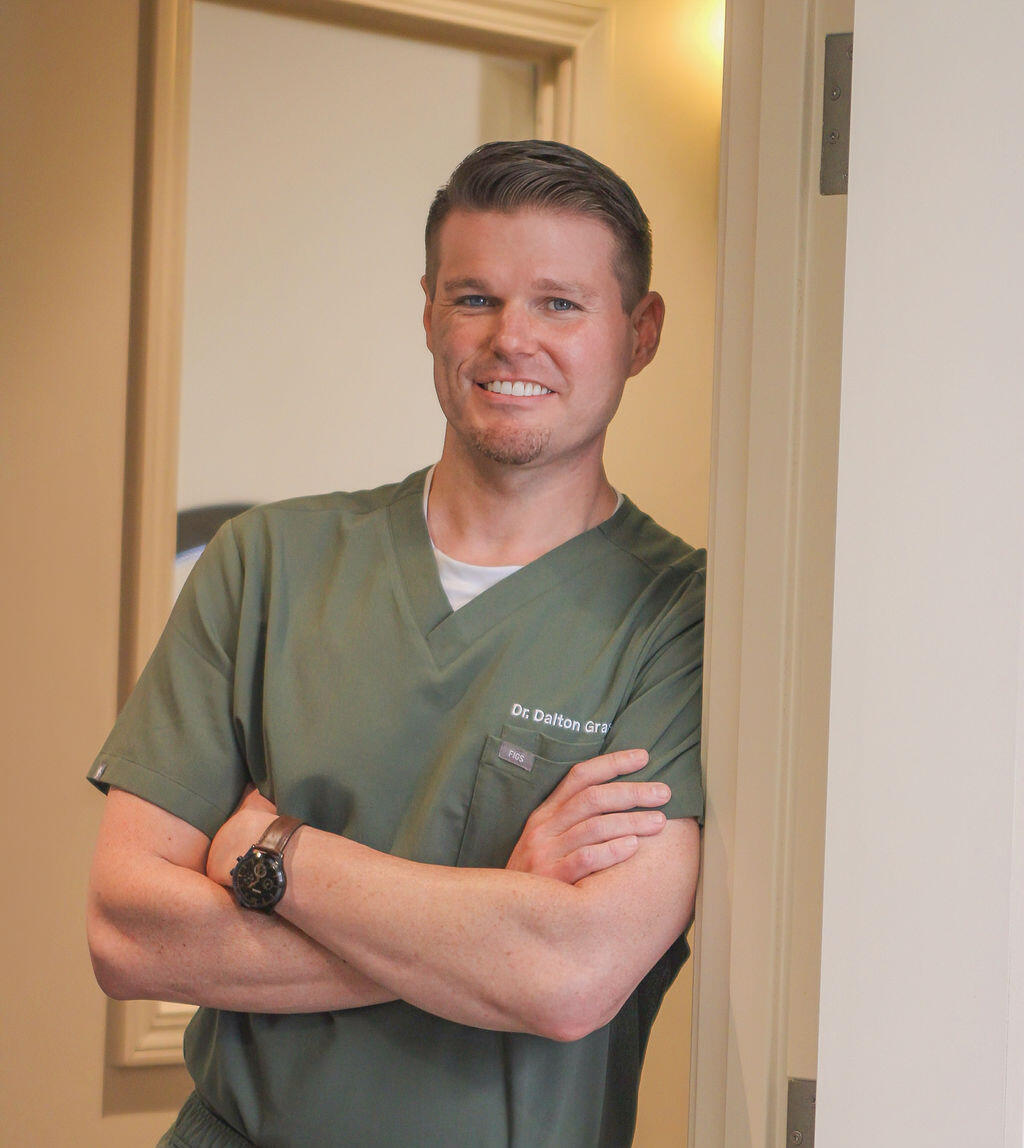
Dr. Dalton R. Grant, DC
I’m a Doctor of Chiropractic focused on movement, rehabilitation, and long-term health. Through clinical work and writing, I help people understand how their bodies move, recover from injury, and stay active with practical, evidence-informed strategies.My background includes a Bachelor of Science in Human Biology and Life Science and a Doctor of Chiropractic degree from Logan University, plus hands-on experience in both private practice and integrated rehabilitation settings.I work with people dealing with pain, post-injury recovery, and the everyday demands of staying functional and resilient.On Granted Motion I share clear, useful insights on movement, rehab, performance, and health. The goal is simple: help you move better, recover smarter, and keep doing the things that matter to you.
Rehab
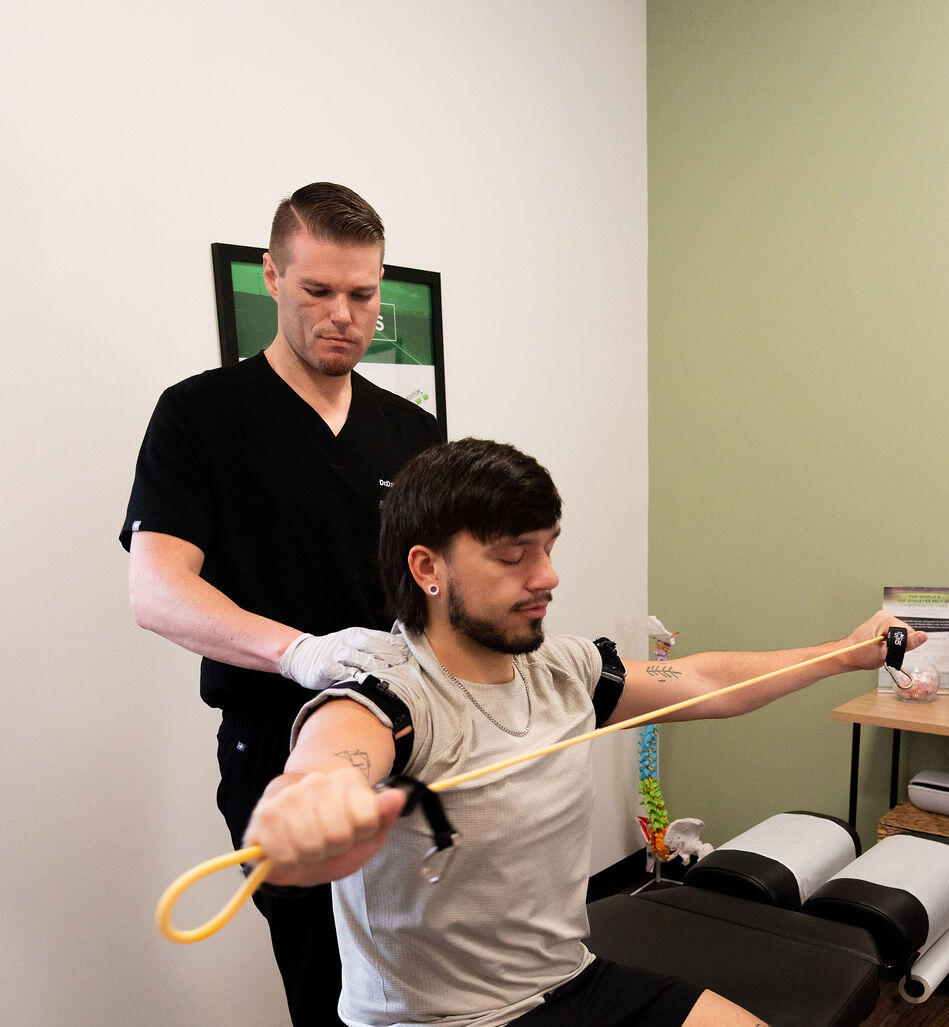
Rehabilitation is about more than just reducing pain, it’s about restoring how you move, building resilience, and getting back to the activities that matter to you.My approach focuses on practical, evidence-informed strategies tailored to your specific needs. Whether you’re recovering from an injury, managing a chronic issue, or looking to improve overall function, the process starts with a clear understanding of how your body is moving and what’s limiting it.What this typically includes:
-Targeted movement assessments to identify key restrictions and compensations.
-Progressive therapeutic exercise and loading strategies to rebuild strength, control, and capacity
Soft-tissue and manual techniques to improve mobility and reduce protective tension
-Education on recovery timelines, load management, and daily habits that support healing
-Clear home strategies so progress continues between sessions.
The goal is simple: help you move better, feel more confident in your body, and reduce the chance of recurring problems.Rehab works best when it’s specific, progressive, and realistic for your life, not a one-size-fits-all program.
Class IV Laser
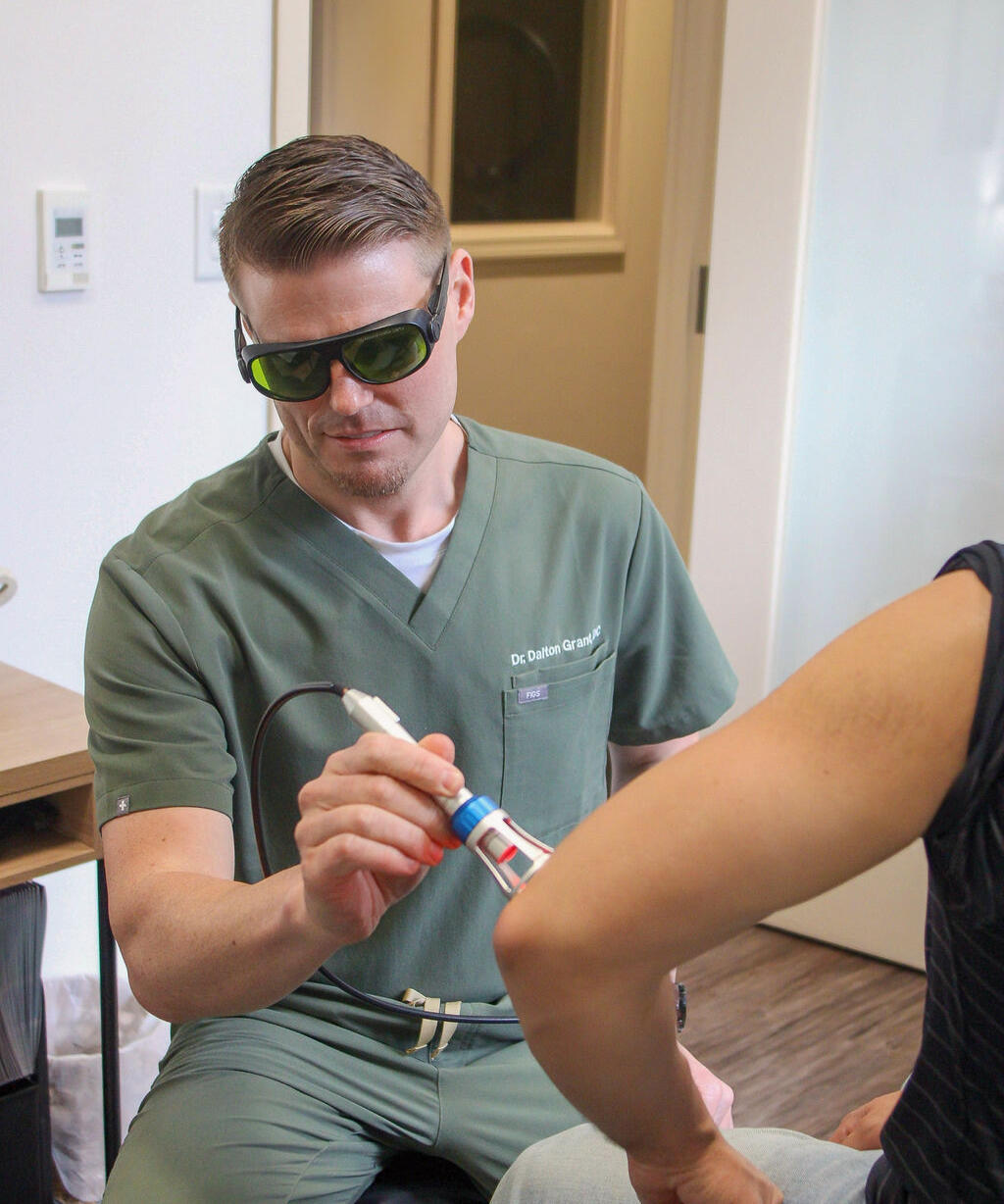
Certified in Class IV laser therapy through Medray.I use it selectively in the clinic when it supports tissue recovery, reduces inflammation, and helps patients tolerate the exercise and movement work that drive real progress.Class IV lasers deliver higher power and deeper penetration than lower-class devices, which can be useful for deeper soft-tissue issues, post-operative recovery, and certain chronic musculoskeletal conditions.In my setting I pair the laser with targeted exercise protocols rather than treating it as a standalone solution.
Shockwave therapy
I’m certified in shockwave therapy through Shockwave Centers of America. The training covers how radial extracorporeal shockwave therapy works and how I apply it in practice. Acoustic pulses create a controlled microtrauma that restarts a stalled healing response in chronic soft-tissue conditions.I learned the biological effects such as increased local blood flow, stimulation of growth factors, and breakdown of calcific deposits or scar tissue, along with clear protocols for common problems such as plantar fasciitis, Achilles tendinopathy, tennis and golfer’s elbow, calcific rotator-cuff issues, and myofascial trigger points.
Rocktape
Certified in Rock Taping through Rocktape. I use the system as one practical tool inside a larger movement and rehab approach rather than as a standalone fix. Rock Tape is kinesiology tape applied with specific techniques to influence proprioception, skin and fascial feedback, and how the nervous system interprets load and position.In the right context it can help reduce perceived pain, improve movement confidence, and support tissues while someone is actively training or recovering. I apply it selectively, usually after assessing how a person moves and what they’re trying to accomplish, then pair it with the exercise or activity that actually drives long-term change.
Supplements
Supplements can play a supportive role in recovery, performance, and overall health when used thoughtfully alongside solid movement, nutrition, and sleep habits. They are not magic fixes, but the right ones can help fill gaps and support the processes your body is already working on.I focus on practical, evidence-informed options that make sense for musculoskeletal health, rehab, and daily function.Common areas where supplements may be considered include:
-Supporting tissue recovery and managing inflammation.
-Filling nutritional gaps that can affect energy, muscle function, or bone health.
-Assisting with sleep and recovery quality.Addressing specific needs identified through history or testing
Recommendations are individualized. What works for one person may not be necessary or appropriate for another. The goal is always to keep things simple, purposeful, and aligned with your overall plan.Quality and proper dosing matter, which is why I use platforms like Fullscript to make access straightforward when recommendations are appropriate.Supplements work best as part of a bigger picture that includes consistent movement, good recovery habits, and realistic expectations.

10,000
Dr. Dalton Grant has treated more than 10,000 patients across five years of practice. That volume has shaped how I assess movement, build recovery plans, and decide what actually helps versus what is unnecessary. Most of the work has been one-on-one rehab sessions focused on exercise, tissue recovery, and clear progression rather than passive care alone.
4
I have four certifications that support the way I treat and educate: Rock Tape, movement specialist, laser therapy, and shockwave therapy.I use them selectively as tools that can improve tissue recovery, sensory feedback, and movement quality when they fit a clear rehab or performance goal.
3
Dr. Grant was trained in three chiropractic techniques: Diversified, Logan Basic, and Advanced Activator Methods.I use these approaches selectively based on the person and the goal, whether that means a more traditional adjustment, a gentler low-force method, or instrument-assisted work, to support movement and recovery.
Research
I keep a research page so I can stay current and share what I find in a form people can actually use.New studies on movement, pain, neurophysiology, and rehabilitation come out constantly. Reading them keeps my clinical thinking sharp and stops me from relying only on what I learned years ago or on whatever is popular in the moment.When I summarize a paper or a line of research here, I’m forcing myself to understand it well enough to explain it clearly. That process improves how I work with patients.I also write it for anyone who wants better information than headlines or short social media clips. Most people don’t have time to dig through full papers, and a lot of what circulates online is either oversimplified or exaggerated.My goal is to pull out the practical points, note the limitations, and connect the findings to real movement and recovery questions. If it helps someone make a more informed decision about training, rehab, or what to ask their provider, it’s worth posting.

5 star reviews
Dalton is amazing! Everything is catered to your specific needs and he is always open to exploring new ways to achieve a solution. I suffer from lower back problems from lifting, but the laser and needle therapy he offers has made a dramatic improvement.
- Blake

5 star reviews
Dr. Dalton has been awesome! He’s helped me with my chronic low back and right hip pain when other drs couldn’t! Highly recommend him and his services, dry needling/laser and rehab exercises got me QUICKLY moving and feel so much better! You won’t be disappointed!
- Michael

5 star reviews
Dr. Dalton is passionate about caring for people.He works hard to identify primary causes of discomfort and simple solutions for your healing, so you can live your best life!- Eric
Sleep and Recovery

Sleep is one of the most effective recovery tools available, and most people undervalue it.During deep sleep the body repairs tissue, clears metabolic waste from the brain, and consolidates motor learning. Growth hormone is released in higher amounts, inflammation is better regulated, and the nervous system recalibrates. When sleep is short or fragmented, these processes slow down.Pain sensitivity often increases, coordination and reaction time decline, and the same training or rehab stimulus produces less adaptation.I see this regularly in clinic. People who are consistent with their exercises but chronically short on sleep tend to progress more slowly and report higher day-to-day soreness or stiffness. The opposite is also true: when sleep improves, many notice better tolerance for loading, clearer movement, and faster recovery between sessions.A few practical points I emphasize:
Aim for a consistent sleep and wake time, even on weekends. The body responds better to regularity than to occasional long nights.
Keep the bedroom cool, dark, and quiet. Light and temperature have outsized effects on sleep quality.
Limit caffeine later in the day and reduce bright screens in the hour before bed when possible.Treat sleep as part of the plan, not something you try to catch up on after the fact. Seven to nine hours is the range most adults need; individual requirements vary.
Sleep does not replace good movement, strength work, or treatment. It makes those things more effective. If recovery feels stalled, sleep is one of the first variables worth examining.
© 2026 Granted Motion. All rights reserved.